
How to Check for a Warrant in Teller County
Teller County posts no sheriff warrant search box. Start with the Colorado Judicial docket search instead, set the county to Teller, and run the case number or exact name from the court paper. A result like “Appearance on Arrest Warrant” is a lead only. Final proof comes from the Clerk of Court, Teller County Combined Courts, which controls the official state-court file. Collect the right details first. Bring the court name, the four-digit case year, the sequence number, the ticket number, the full name, and the date of birth. Send nothing more than the office asks. Extra personal data creates risk, not speed. A lawyer can help you plan a recall request or a surrender in Teller County without promising results the court has not approved. The clerk, not the search page, settles warrant status.
- Check the Teller-filtered state docket for a case or hearing.
- Call the Clerk of Court at 719-689-7360 to confirm status.
- Ask the municipal clerk if the citation is a city case.
- Call TCSO at 719-687-9652 for service routing or 719-687-7770 for custody and bond.
- Request releasable records when direct confirmation is not available.
Teller County Has No Search Box
The Teller County Sheriff's Office posts contacts, detention links, crime reports, and records tools, but it publishes no full active-warrant roster, no warrant desk, and no most-wanted page. That gap forces a different order of steps. A Teller County warrant search works best when you pair the court docket with direct confirmation from the clerk and the sheriff rather than trusting one name search. The inmate list answers a separate question, namely whether someone is in custody right now. Weekly reports cover past incidents. Neither one shows every outstanding warrant. A new bench warrant, a sealed or juvenile case, a municipal warrant, or one already served or recalled may simply never appear on a public page, so a blank result does not prove a court cleared anything. The sheriff's own page lays out the service and records routes the county uses.
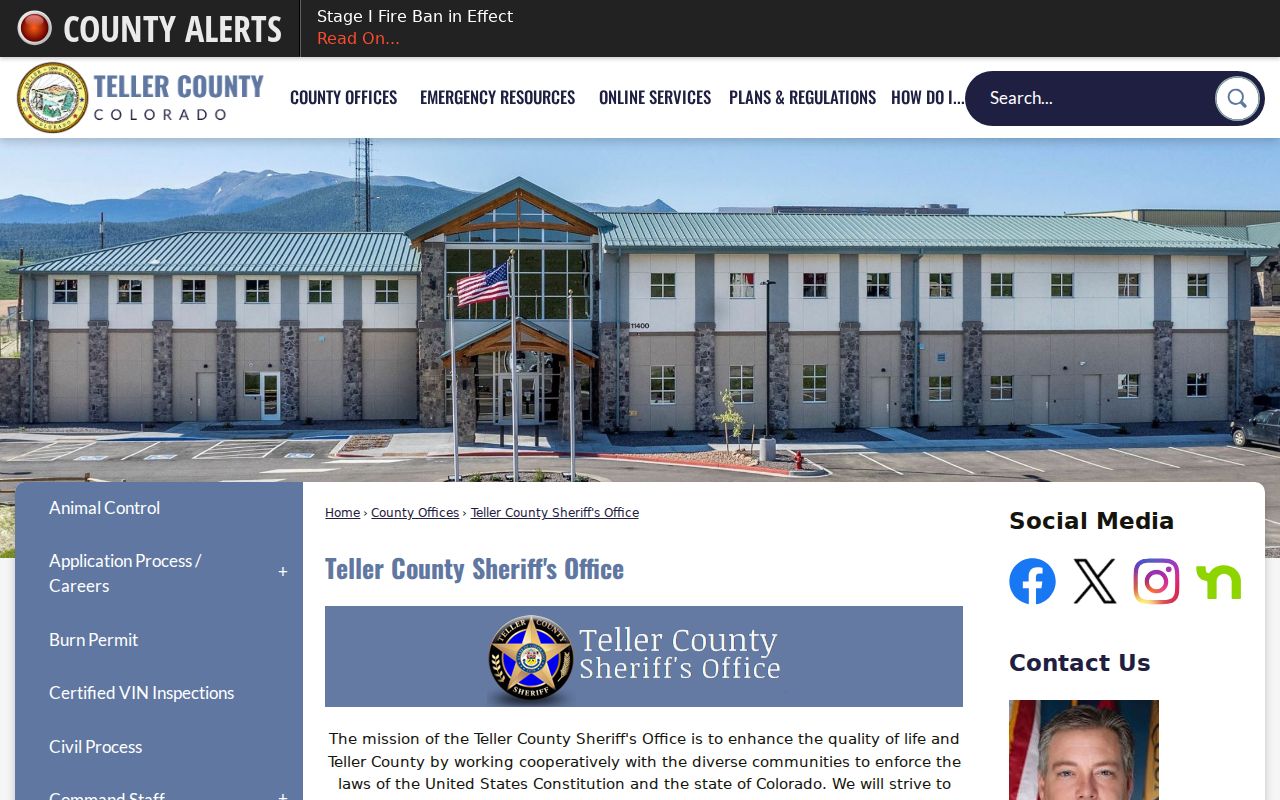
Teller County keeps that design on purpose. Call the sheriff's office and ask which court or detention desk holds the current warrant record.
Types of Warrants in Teller County
What the issuing court calls the process shapes what happens next. Colorado's official language for Teller County says "bench warrant" when someone fails to appear. "Capias pro fine" is not the routine local label. A search warrant is a different animal, too, and there is no public self-check for it.
| Warrant Type | How It Arises | Who Issues It |
|---|---|---|
| Arrest warrant | Probable cause supports taking a person into custody | Authorized state or municipal judge |
| Bench warrant | A required appearance or court duty was missed | The judge who controls the case |
| Search warrant | Probable cause supports a search for described evidence | A judge of a court of record under Colorado law |
| Municipal process | A city ordinance, traffic, or criminal court matter requires action | The city municipal court |
A fugitive or federal warrant runs through a separate system. Family support contempt belongs with the assigned state court in Teller County. Ask the clerk to repeat the exact label and case class instead of translating it into another state's term.
Teller Docket Fields Explained
The Teller-filtered docket is the main public starting point for a warrant check. You can search by court type, division, date or date range, case year and sequence, case class, individual or business name, and attorney. There is no public "active warrant" filter. The dropdowns keep some choices hidden, so do not assume an unseen option exists. Treat the docket as a lead, then verify with the clerk.
| Field | Best Use | Limit |
|---|---|---|
| County | Keep Teller selected | Not a warrant filter |
| Case number | Enter year and sequence | Requires the right court case |
| Party name | Use exact court spelling | No public DOB field |
| Date range | Find a known hearing window | A docket lists scheduled events |
| Hearing type | Read returned event labels | Not exposed as a warrant-status search field |
The official docket interface shows those Teller County controls, but the online database is not itself the official court record.
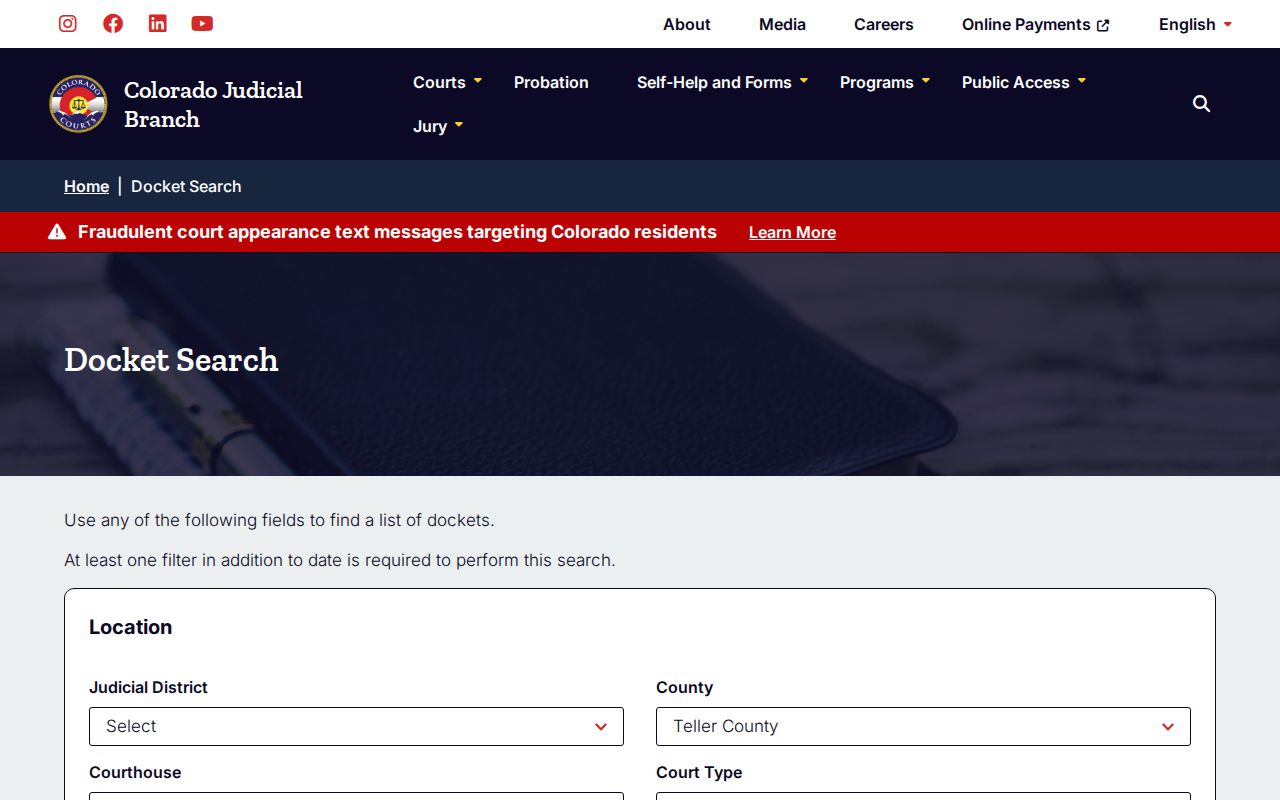
Save the case number from any useful result. Then call the clerk for active, served, recalled, bond, and next-date details in Teller County.
What a Teller County Warrant Record Shows
A full court file can hold more than the public docket shows. Teller County's docket leans on scheduling fields, while a warrant form or clerk file may add issue date, bond, status, and service facts. A local case number can look like 2026CR01234, and the year and class help route your request. That is a sample format only, not a real person's record.
| Case or warrant number | Identifies the court file; a separate warrant number is not always public online. |
|---|---|
| Party and charge | Links the named party to the case and alleged offense or court duty. |
| Issuing court | Shows which state or municipal clerk can confirm the warrant. |
| Bond or conditions | May state cash, surety, personal recognizance, or no-bond terms. |
| Status and return | Can show active, served, recalled, quashed, or other court action. |
| Next event | Gives the date, time, division, courtroom, and appearance type when public. |
A blank bond amount or status line is not the final word. For a Teller County warrant record, ask the issuing clerk, or the jail if someone is in custody; sealed cases, protected affidavits, and juvenile files carry tighter access rules.
Four Teller County Court Routes
Teller County keeps District and County Court services under one roof at the state courthouse, but each incorporated municipality runs its own court path. Woodland Park takes city charter matters, ordinances, and municipal traffic or criminal cases. Cripple Creek cautions that its police also write tickets into the state Combined Courts. A sheriff-written summons in Victor still belongs to Victor Municipal Court. Green Mountain Falls works from town code and a court calendar. That split is why no single search covers every Teller County warrant record. Start with the heading on the ticket. Felonies under state law generally route to District Court, while County Court handles misdemeanors, traffic, petty offenses, and early felony complaints. The municipal clerk owns the city case throughout. The county sheriff may still serve process or handle detention on the side.
Route: issuing court › court clerk › serving police or sheriff › detention and bond, if an arrest occurs.
Who Issues and Serves Teller County Warrants
Two state courts issue process in Teller County: the Colorado District Court, Fourth Judicial District, Teller County, and Teller County Court. Municipal judges issue or control city process. The Clerk of Court, Teller County Combined Courts, keeps the public-facing state case file. Remember, a court order is not its own service. TCSO, Woodland Park police, Cripple Creek police, or another authorized officer may execute a valid Teller County warrant.
Teller County Combined Courts
101 W. Bennett Avenue
Cripple Creek, CO 80813
719-689-7360
Don't ask one Teller County office to overrule the other. The sheriff handles service and custody questions, and the clerk covers court status and procedure. Staff cannot give legal advice or promise a judge will recall a warrant.
Inmate Search Is Not Warrant Search
The Teller County Detentions Facility page links to a custody search and online bond tools. Those help once someone is booked, or when family needs detention and bond details. They will not show every person with an outstanding warrant. Someone can hold an active warrant yet stay off the custody list, or remain in a pending case after the warrant is served. The detentions page keeps those routes separate, which makes the line plain.
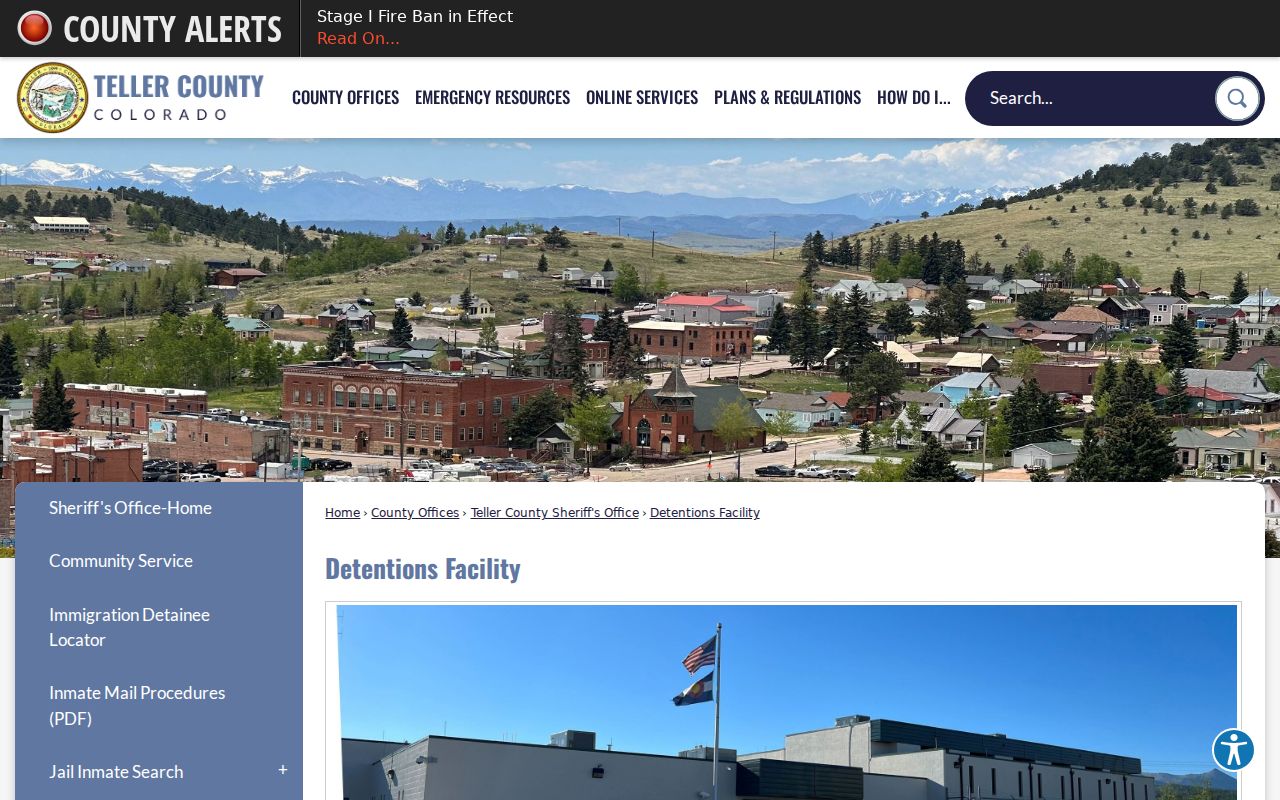
Call 719-687-7770 for custody or bond. For current warrant status, go back to the issuing clerk. That two-source check keeps a custody result from standing in for a full Teller County warrant search.
What to Do If You Have a Teller County Warrant
Start by naming the court and case. Ask whether the warrant is active, served, recalled, or quashed, and whether a motion, reset, payment, appearance, or surrender is required. Ask too whether the judge set bond. A lawyer can request recall or arrange a planned appearance. Teller County publishes no guaranteed walk-in clearing window, so do not head to the courthouse or jail on an assumed no-arrest promise. If a money bond applies, confirm the exact amount and type with the court or jail. Keep the bond paper, the payment receipt, and the next court date. Paying a fine does not always lift a bench warrant. A judge may still have to recall it. Release on bond does not resolve the charge.
Important: Speak with the issuing court and consider legal advice before surrender; no Teller County source promises a warrant-free walk-in period.
A step is not done until the Teller County clerk verifies the status. Get the written order, receipt, or new setting in hand. Then check again if the sheriff record has not caught up yet.
Teller County Records Request Path
When a Teller County record is not online, ask the custodian that holds it. The TCSO records form wants contact details, incident facts, a case number when known, the record type, signature, date, and an anti-bot check. For a personal warrant-status need, describe it with the issuing court, date, and case number. Skip broad list requests for other people. The form allows up to three working days of processing, with extensions for inactive or long files, review, or District Attorney approval. Some reports cannot be emailed, and identity proof may be required. Under CORA the first research hour is free, then the listed rate is $40 per hour. Criminal justice requests under CCJRA do not get that free hour. A case report costs $6 through ten pages, then $0.25 per page. The form itself shows the fields and the CORA or CCJRA notices.
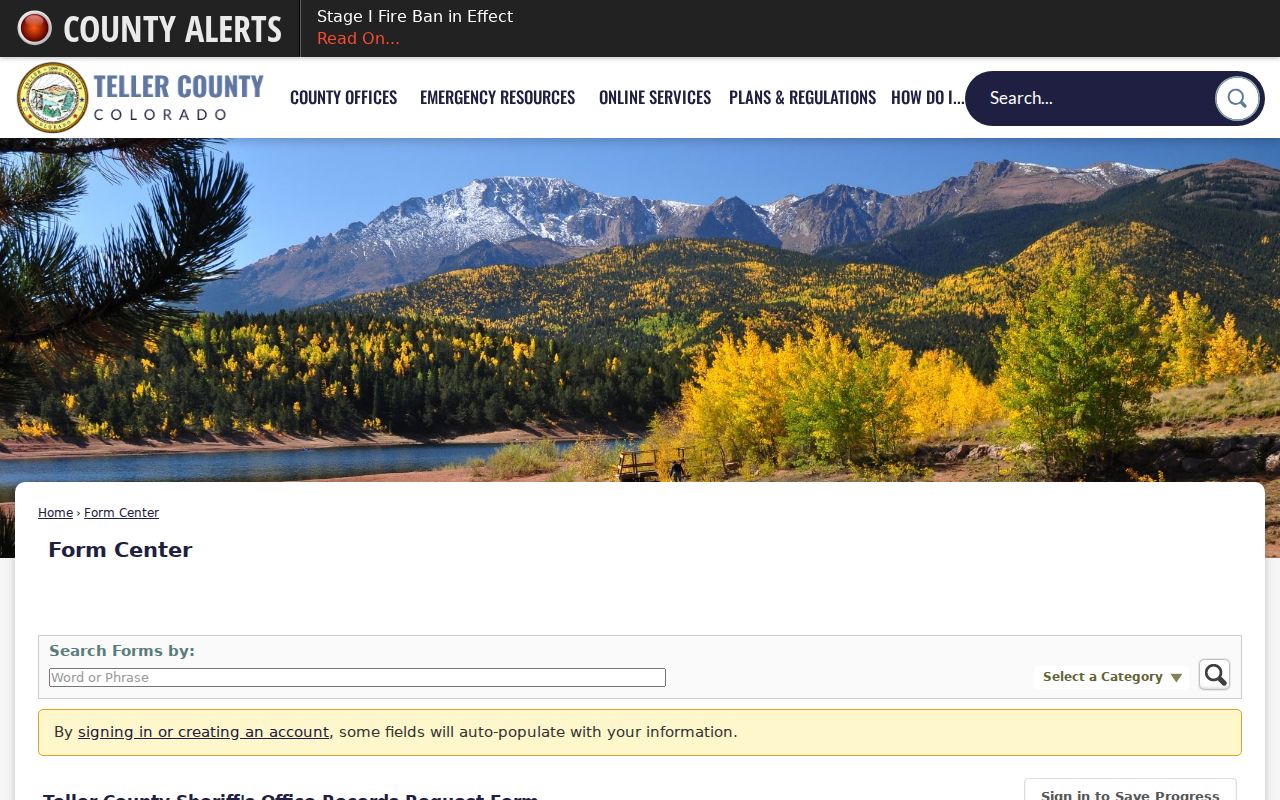
State court records run through the Teller court request form instead. County administrative records may use NextRequest. Each office that owns a record decides what it can release.
Public Access to Teller County Warrant Records
Access turns on the record and its custodian. The Colorado Open Records Act governs many public records, and the Colorado Criminal Justice Records Act governs criminal justice records. Court files also follow the Judicial Department's access directive. A Teller County public docket helps, but the court warns its database is not the official record.
Key rules:
CORA, C.R.S. §§ 24-72-201 to 206 sets the general state framework for public records.
CCJRA, C.R.S. §§ 24-72-301 to 309 applies to criminal justice records and permits lawful limits.
Colorado Judicial access guidance explains court records, administrative records, and the governing directive.
Sealed cases, juvenile matters, protected personal data, and active investigative material may be withheld or redacted. A denial or thin docket does not prove no Teller County warrant exists. The issuing court confirms current status.
Teller County Warrant Terms
Local words matter here. A docket entry, a clerk instruction, and a jail call can describe different stages of the same case. These definitions keep each Teller County warrant record tied to the source that controls it.
- Bench warrant
- A judge's process after a missed appearance or other court noncompliance. This is Colorado's usual FTA term.
- Appearance on Arrest Warrant
- A public docket hearing label. It signals a warrant-related event but does not display the complete warrant.
- Recall or quash
- Court action that withdraws or cancels the warrant. A receipt alone may not prove this occurred.
- Return
- The service or execution record filed back with the issuing court.
- Personal recognizance bond
- A release promise with conditions rather than an up-front money bond, when ordered.
- Capias
- Not the routine Teller County label found in official sources; ask the clerk what an issuing court means if it appears.
Write down the exact phrase a Teller County official uses. Then ask whether it describes an active warrant, a hearing, a bond status, or a completed court action.
Teller County Bond After a Warrant
Teller County's official money-bond rights sheet says bond may be posted through the sheriff 24 hours a day. The listed routes are cash, money order, and an online option. Only the bond amount is needed to secure release on a money bond. A $10 bond fee and a credit-card fee of no more than 3.5 percent may be charged as debt. Unpaid fees cannot keep the person in custody. The sheet lays out a six-hour release framework after a personal recognizance bond is set and the person returns to jail, or after cash bond is ready and the jail is notified, absent extraordinary circumstances. Electronic monitoring can justify a hold of up to 24 hours. Call the jail first. The public material does not supply a warrant-specific bond schedule.
Practical flow: confirm case and bond › use an authorized method › keep paperwork › confirm the next date › verify court status.
Payment Does Not Always Clear Teller Warrants
Money and paperwork move through Fourth Judicial District Collections. That office takes state-court payments in Teller County, and its page lets you search by case or ticket number or by name and date of birth. The counter sits inside the state courthouse. To pay by phone, call 719-689-7360 and choose option 3. In person, the office takes check, cash, money order, Visa, MasterCard, Discover, and Apple Pay. Need time to pay? Payment plans can be requested online, by email, or at the counter, and the listed processing fee is $25 a year.
Warrant Records by City in Teller County
Teller County has four incorporated municipalities. Each runs its own municipal-court route, and no city among them posts an online warrant portal of its own. A city case starts with the municipal clerk or the police contact. State cases go to Teller County Combined Courts, while TCSO handles county service, detention, and the Victor law-enforcement contract.
Woodland Park Warrant Records
Population 7,920 · City police and a municipal court handle local matters.
Cripple Creek Warrant Records
Population 1,155 · Check the ticket for city court or Combined Courts.
Green Mountain Falls Warrant Records
Population 646 · The town spans two counties and publishes code and court calendar sources.
Victor Warrant Records
Population 385 · TCSO provides police service while the city clerk keeps municipal cases.
These figures are 2020 Census counts for the incorporated places. Green Mountain Falls' number covers the whole town, El Paso County portion included. The city pages list the local court and police route first.